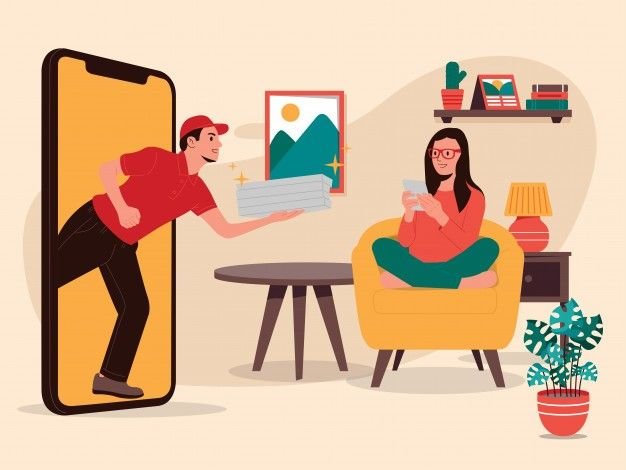
For decades, kirana stores—the trusted neighborhood shops—have been the backbone of India’s retail economy. Known for their convenience, personal touch, and credit-based relationships, kiranas have always had a loyal customer base. But in 2025, as shopping habits evolve and digital-first lifestyles dominate, these traditional stores are finding a new way to thrive: Quick Commerce (Q-Commerce).
What was once a small, handwritten notebook economy is now merging with app-driven instant delivery—from kirana to click.

The Digital Shift of Kirana Stores
1. Partnering with Quick Commerce Platforms
Many kiranas are teaming up with apps like Blinkit, Zepto, Swiggy Instamart, and Dunzo. Instead of relying only on walk-in customers, these stores fulfill online orders and earn through hyperlocal delivery networks.
2. Becoming Micro-Fulfillment Centers
Kirana shops, with their strategic neighborhood locations, are now serving as mini warehouses for quick commerce. Their proximity to customers ensures deliveries in 10–20 minutes—an advantage even big retailers struggle to match.
3. Digital Payments and Inventory Management
From UPI payments to AI-driven stock predictions, kiranas are adopting digital tools that not only improve efficiency but also help them understand customer preferences better.
Why Customers Love “Digital Kiranas”
-
Familiar Trust, Modern Convenience: Customers get the same reliability of their local shop with the speed of an app.
-
Hyperlocal Relevance: Unlike large chains, kiranas stock products tailored to local tastes and needs.
-
Instant Availability: Running out of milk, snacks, or medicines? Your neighborhood store is now just a click away.
Benefits for Kirana Owners
-
Expanded Customer Base: Reaching beyond just walk-ins to digital-savvy shoppers.
-
Steady Revenue Growth: Small-ticket, frequent orders boost sales volume.
-
Stronger Customer Loyalty: Hybrid models (offline + online) keep them relevant across generations.
Challenges in the Transformation
-
Margin Pressures: Partnering with quick commerce apps often means lower margins.
-
Technology Gaps: Not all kirana owners are tech-savvy, requiring training and digital adoption support.
-
Competition: Balancing between traditional customers and online orders can be tricky.
The Future of Kiranas in Quick Commerce
By 2030, kirana stores are likely to evolve into digitally integrated hubs, offering:
-
Personalized promotions through apps
-
Subscription-based deliveries for essentials
-
Eco-friendly packaging to appeal to conscious consumers
-
Data-driven stocking for hyperlocal demand
In many ways, kiranas are not just surviving the digital wave—they’re powering it. Their agility, local presence, and customer relationships make them essential players in the quick commerce revolution.
Final Thoughts
The story of “Kirana to Click” proves that tradition and technology don’t compete—they complement. By blending their local trust with the speed of instant delivery, kirana stores are redefining modern retail.
✅ In 2025, the future of quick commerce isn’t about replacing kiranas—it’s about empowering them.